

🏀 Body & Basketball: What’s the Most Important Part of the Body on the Court?
By Bexley Tigers Staff Writer
Published: August 6, 2025
When people think about basketball performance, they often point to vertical leaps, ball handling, or the ability to shoot under pressure. But behind every highlight reel, there’s a deeper question: What part of the body matters most in basketball?
🏃♂️ 1. Legs: The Foundation of Everything

Without a doubt, the legs are the engine room of a basketball player. Every explosive sprint, high-flying rebound, tight defensive slide, and rim-rattling dunk starts from the ground up. Your quads drive acceleration, your hamstrings power that unstoppable first step, your glutes give you the lift to soar above defenders, and your calves deliver the spring to explode off the floor.
But strength alone isn’t enough — it’s about balance, power, and durability. Strong legs don’t just help you perform, they help you endure. They absorb the grind of back-to-back games, keep your movements sharp deep into overtime, and shield you from common basketball injuries like knee strains, ankle sprains, and even long-term wear on your joints. A solid lower body is your insurance policy against the game’s physical demands.
Think about it: every legendary player is remembered not just for their skill, but for their ability to sustain high performance night after night. That comes from having a foundation built in the weight room, on the track, and through countless hours of conditioning.
Want to sky for that game-winning board, blow past your defender, or still have fresh legs when the scoreboard says 4th quarter? Then train your legs like your career depends on it — because it does. Build them strong, train them smart, and your game will rise higher than you thought possible.
🧠 2. The Brain: Basketball IQ Matters

It’s not all about vertical jumps and speed drills. Basketball is chess played at 100 miles per hour. The players who dominate aren’t just faster — they’re smarter. They know how to read the court in a split second, anticipate an opponent’s cut before it happens, and adapt instantly to any defense thrown their way.
Your brain is your ultimate playmaker. It controls more than just your reaction time — it dictates your poise, vision, and ability to stay one step ahead. It helps you control the tempo, recognize mismatches before anyone else does, and deliver the ball to open teammates before they even realize they’re open. When the pressure peaks, it’s your mind that keeps you calm, composed, and in command.
That’s why players like LeBron James, Chris Paul, and Nikola Jokić stand out. Their physical gifts are undeniable, but what truly separates them is how they process the game. LeBron sees the floor like a quarterback, manipulating defenses with every glance. Chris Paul dissects pick-and-rolls like a surgeon, knowing exactly when to strike. Jokić turns passing into an art form, creating opportunities where none seemed possible. They prove that vision, anticipation, and decision-making can dismantle even the most athletic opponents.
A sharp basketball mind doesn’t just elevate your game — it elevates your team. It transforms good players into floor generals, teammates into believers, and moments into legacies. Skills can get you points. Athleticism can get you highlights. But a basketball IQ? That wins championships.
👐 3. Hands: The Tools of the Trade
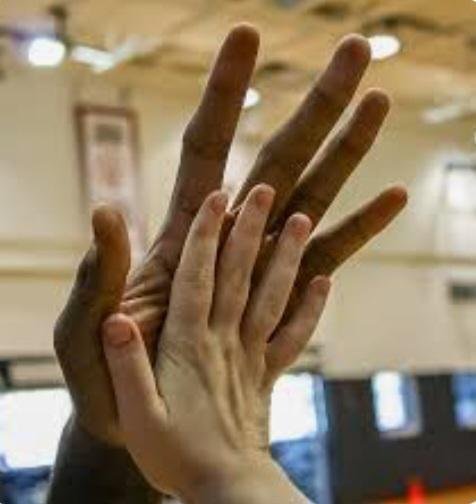
Your hands are your direct link to the game. Every dribble, pass, catch, and shot runs through them. Great hands mean better ball security, smoother finishes around the rim, and more reliable shooting under pressure.
Soft hands give you control in chaos — catching wild passes in traffic, tipping in rebounds with finesse, or poking the ball loose on defense without committing a foul. Strong hands, on the other hand, give you the grip to protect the rock against swipes, power through contact at the rim, and still have the touch to float one over a towering defender.
Think about it: the greatest moments in basketball history often come down to what a player does with their hands in the clutch. A perfectly placed pass that splits the defense, a steal that sparks a fast break, a fingertip putback at the buzzer, or a calm free throw when the season hangs in the balance. From threading the needle with a no-look dime to sinking the game-winning shot, your hands are the unsung heroes in every highlight.
But just like your legs and mind, your hands need training. Grip strength, fingertip control, and hand-eye coordination all separate the good from the great. That’s why the best players live with a ball in their hands — dribbling in the driveway, squeezing grip trainers, or running catch-and-shoot reps until muscle memory takes over.
In basketball, your hands aren’t just tools — they’re extensions of your vision, your instincts, and your will to win. Treat them like weapons, sharpen them every day, and the game will always feel like it’s in your hands — because it is.
🦵 4. Core: The Hidden Hero

Your core — abs, obliques, and lower back — is the glue between your upper and lower body. Every shot, pass, sprint, and jump is powered and stabilized by it. Without a strong core, your body becomes a chain with a weak link, and no matter how powerful your legs or skilled your hands are, the force won’t flow smoothly through your game.
A solid core gives you the balance to hold your ground in the post, the control to pivot under pressure, and the stability to absorb contact without getting knocked off your spot. It’s what lets a guard weave through traffic without stumbling, or a big man seal their defender and finish strong. It’s also the secret to keeping your shooting form consistent, even when your lungs are burning and your legs are heavy.
Think about the demands of the game: cutting, turning, absorbing bumps, exploding into a jumper, then landing safely to sprint back on defense. All of that is managed by your core. It doesn’t just create power — it manages it. It channels energy from your legs into your shot, and it keeps your upper body controlled so your hands can execute with precision.
It’s easy to overlook, but the truth is simple: a weak core limits everything. A strong core amplifies everything. It’s the bridge that holds your game together, the silent engine behind your speed, strength, and skill.
Train it with purpose — planks, rotational work, stability drills — and you’ll notice the difference in every aspect of your game. Because when your core is locked in, your whole game becomes unshakable.
💨 5. Lungs & Heart: The Endurance Engine
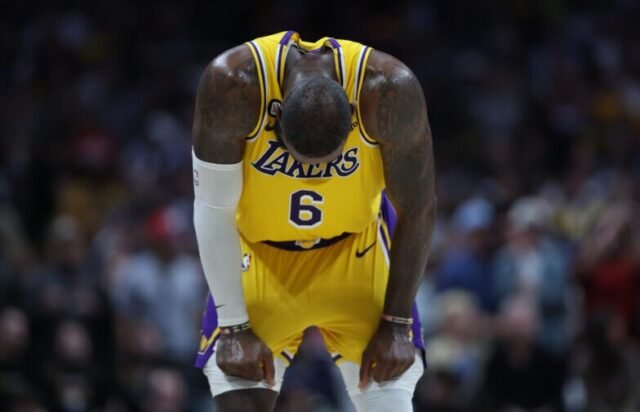
Basketball is a sprinting sport played for an hour straight. You’re constantly starting, stopping, and changing direction — and it’s your lungs and heart that keep you going. Every fast break, every closeout, every backdoor cut taxes your engine. Without conditioning, even the most talented player fades when the game speeds up.
Elite conditioning isn’t just about running laps; it’s about sustaining intensity. It’s being able to press full court, sprint back in transition, fight through a screen, and then calmly knock down a jumper on the other end. The best players don’t just survive the pace — they control it. They can go full throttle on defense, immediately flip into attack mode, and still have the stamina to sink clutch shots when the clock is winding down.
Conditioning is the invisible advantage. You can’t always see it in the box score, but you feel it when the fourth quarter comes around. When everyone else is gasping for air, you’re still sharp. You’re still making plays, still locking down, still running the floor. That edge wins games — not because you’re more skilled, but because you’re still standing strong when others are bent over, hands on knees.
True basketball shape isn’t built overnight. It comes from relentless sprints, interval training, defensive slides until your legs burn, and pushing past fatigue when your body begs you to stop. The lungs and heart are muscles too — and the harder you train them, the longer your game lasts.
Great skills get you buckets. Great conditioning lets you get them over and over again, all game long. And when the final buzzer sounds, it’s the player with lungs of steel who’s still making the winning play.
🔑 Final Verdict: It’s All Connected
So what’s the most important part of the body in basketball? The truth is, there’s no single answer. Every part of the body contributes — and it’s the synergy between them that separates average players from elite ones.
Your legs give you the power to explode. Your core stabilizes and connects every movement. Your hands control the ball with strength and precision. Your lungs and heart fuel you to keep pushing when fatigue sets in. And your mind ties it all together — reading the game, making decisions, and staying composed under pressure.
A player who relies on just one of these will always hit a ceiling. Explosive legs without stamina fade late in the game. Great hands without vision waste opportunities. Strong conditioning without skill just runs you in circles. But when every piece is trained, sharpened, and working in harmony, that’s when your game reaches its full potential.
Basketball is the ultimate test of the complete athlete. It demands speed, power, finesse, endurance, and intelligence — all at once. The best players aren’t just gifted in one area; they’re balanced, versatile, and relentless.
So don’t chase shortcuts. Build your body like a system. Train every part, connect every skill, and let each piece elevate the other. Because the real secret to basketball greatness isn’t found in a single muscle or skill — it’s in the way everything works together.
That’s the difference between playing the game and mastering it.
But if you had to build your game around one area? Start with your legs. Train them, protect them, and power your game from the ground up.
Basketball is a full-body sport — and mastering your body is the first step to mastering the game.
© 2025 Bexley Tigers Basketball Club. All Rights Reserved.